Attention Deficit Hyperactivity Disorder (ADHD) Assessments – Referrals, Medication & Support
As a practice, we are committed to supporting patients with neurodevelopmental diagnoses, both children and adults.
This information is for those patients who are concerned or suspect that they may have ADHD and would like to be referred to the NHS for an ADHD assessment.
Attention Deficit Hyperactivity Disorder (ADHD) can affect many aspects of a person’s
life. However, diagnosis is complex, and GPs are not able to make a diagnosis of ADHD, and a referral is needed to an ADHD specialist. If an ADHD diagnosis is subsequently made by the specialist, they may choose to offer medications to help manage the symptoms, and these medications require careful monitoring.
This guide will explain how the referral process works, how referrals are initiated, and what you can expect if you are diagnosed. This information is based on national and local guidance, specifically NICE guidance.
What is ADHD?
ADHD (attention deficit hyperactivity disorder) is a common neurodevelopmental condition that affects both children and adults. People with ADHD may have difficulties with attention, organisation, impulse control, and hyperactivity. It’s a recognised medical condition that can impact many aspects of daily life, including school, work, and relationships.
Common Signs of ADHD
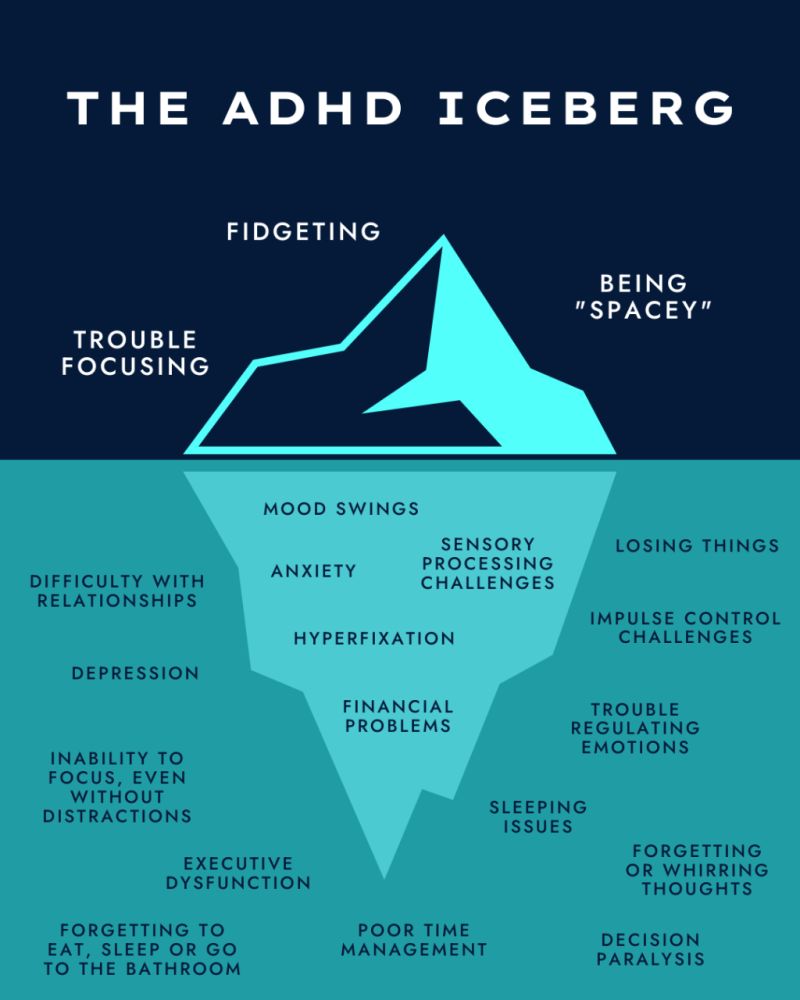
Symptoms can vary but may include:
- Difficulty concentrating or staying focused
- Being easily distracted or forgetful
- Impulsiveness or acting without thinking
- Restlessness or constant movement (in children, especially)
- Difficulty with organisation and time management
- Trouble following instructions or completing tasks
ADHD looks different in everyone, and symptoms may change over time. Some people experience more challenges with attention (sometimes referred to as “inattentive type”), while others may struggle more with hyperactivity and impulsiveness.
ADHD Referrals for Children
The person who needs to initiate the referral will depend on the educational age of the child:
Pre-School – The referral is to be discussed with the Child’s Health Visitor or Early Years setting.
School Age – The referral is undertaken by the school.
Home Schooled Children – the referral is undertaken by the GP Supporting evidence will be required regardless of who is initiating.
If the NHS Mental Health Team confirms a diagnosis of ADHD, they may initiate treatment and may offer medication; initially, this will need to be obtained directly from the specialist consultant. Once the Mental Health Team is confident the patient is stabilised on their medication, they may feel it is appropriate for the patient to obtain their medication from the GP Surgery.
In order for us to prescribe this type of medication, the Mental Health Team will need to send a Shared Care Agreement to your GP. This is an agreement with an NHS Consultant and the GP, which stipulates any monitoring needed to continue to prescribe the ADHD medication safely.
Please note, the GP is only able to continue prescribing and monitoring a patient if a Shared Care Agreement with an NHS provider is in place.
ADHD Referrals for Adults (18+)
All referrals are discussed with GPs to determine the clinical appropriateness for referral/assessment. Those not meeting this threshold will be offered self-help and signposting.
Which provider will assess me?
In Trafford, referrals are sent to Trafford Extended Services
If the provider confirms a diagnosis of ADHD, they may initiate treatment and may offer medication; initially this will need to be obtained directly from the specialist consultant. Once they are confident you are stabilised on the medication, they may feel it is appropriate for you to obtain their medication from the GP Surgery.
In order for us to prescribe this type of medication, they will need to send us a Shared Care Agreement. This is an agreement with an NHS Consultant and the GP, which stipulates any monitoring needed to continue to prescribe the ADHD medication safely. Individual agreements will be reviewed by the practice on a case-by-case basis; approval is not guaranteed.
Please note, we are only able to continue prescribing and monitoring a patient if a Shared Care Agreement with an NHS provider is in place.
Right to Choose
Under NHS England’s Right to Choose legislation, patients can exercise their right to see any appropriate health service provider. This provider can be anywhere in England. Each provider will have their own paperwork and should be provided by the patient
Please note: Right to choose will only cover an initial assessment. If treatment is recommended, this is not covered and will need to be paid for by the patient.
Things to consider when choosing a Right to Choose Service:
It is important to understand that many of the Right to Choose services can offer diagnosis but are often unable to prescribe medication, even if deemed appropriate. This means that you may be able to obtain a diagnosis, but often you will need a further referral to a local NHS service should they recommend you need to start medication to control your symptoms.
Before a local service will take over your care, they may require you to complete their own assessment as not all assessments carried out by Right to Choose services are universally accepted and this may delay further treatment and follow up. Unfortunately, this is not
something which can be easily avoided as most medications suggested for these conditions are ones that GPs do not prescribe without the support of a specialist clinic under a ‘Shared Care Agreement’. In line with most GP services our policy is not to enter into shared care agreements with any provider except the local NHS services.
Useful link- Right to Choose – ADHD UK
Private Providers
You may choose to be referred to a Private Provider for your ADHD assessment due to the long waiting times for an NHS appointment, or simply out of preference. In this instance, the
prescribing and monitoring of any medication must continue under the care of the Private Provider, and we will not be able to prescribe ADHD medication or arrange monitoring on a Shared Care Agreement.
A shared care agreement allows GPs to prescribe specialist medications under the oversight of a specialist, who continues to review the patient’s treatment. Although there are established local shared care agreements with NHS specialists, these are not in place for
private prescribers and so we do not accept shared care agreements with private
specialists. This means that any medication requiring a shared care agreement that is initiated by a private clinician will need to be prescribed directly by that clinician.
Private prescribing policy for medications for ADHD with shared care agreements
Can I transfer from a private provider to NHS provider?
If following assessment, you wish to transfer your ADHD treatment to the NHS, you will need to be referred to the NHS mental health specialist team for assessment and confirmation of your ADHD diagnosis. The NHS consultant will ascertain whether the NHS criteria for a prescription of ADHD medication has been met.
If this criterion is met, a Shared Care Agreement can be formed between the NHS consultant and the GP. Until this is established the clinical responsibility of prescribing and monitoring of the patient, and their medication should remain with the Private Provider.
Please note there is no obligation nor mandatory requirement for a GP to enter into any Shared Care Agreement.
Useful Information for ADHD
ADHD UK: A charity offering free advice and information on ADHD and Right to Choose referrals
ADHD Foundation: The UK’s leading neurodiversity charity, offering services for those who live with ADHD, Autism, Dyslexia, DCD, Dyscalculia, OCD, Tourette’s Syndrome and more